



nibanner

PUBLISHED BY THE
DEPARTMENT OF ATOMIC ENERGY
GOVERNMENT OF INDIA
VOL. 33/NO.11-12/May-June2000
Back
 

KAIGA ATOMIC POWER STATION

DEDICATED TO NATION


The first of the twin units of the Kaiga Atomic Power Station was dedicated to the nation by the Hon’ble Prime Minister Shri Atal Bihari Vajpayee on March 5, 2000. The unit was operating at 210 MWe.

The Prime Minister congratulated the Nuclear Power Corporation for their achievement both in operating the existing nuclear power plants efficiently and in executing new projects. The 220 MWe pressurised heavy water reactor (PHWR) at Kaiga which is indigenously designed, meets the latest safety standards and has state-of-the-art technology including computerised controls. It attained criticality last September. This nuclear power plant also incorporates a full-scope simulator for comprehensive training of operators. This, and its companion unit at Kaiga, will augment power supply to the southern grid. 

Kaiga View
DAE is marching ahead in its power programme and the 12th Unit, which went critical on December 24,1999 at Rajasthan, will also be synchronised to the grid shortly. Two more units, one in Kaiga and the other in Rajasthan are nearing completion and will achieve first criticality later this year. After commissioning of these units, the installed nuclear power capacity will become 2720 MWe. Two pressurised heavy water reactors of 500 MWe capacity are under construction at Tarapur. It is planned to launch construction of two more units of 220 MWe capacity at Kaiga in the near future.

The Prime Minister in his speech said, "Having overcome technological challenges, it is time for us to cut costs. Technologies, to be widely accepted, should be economically competitive, lest they are edged out. I commend your efforts to reduce project gestation period to 5 to 51/2 years. This will definitely cut costs and accelerate the progress of the nuclear power sector and I promise you my Government’s full support."

He further emphasised , "Our per capita energy consumption must be increased substantially before the benefits of growth can reach all parts of our country, including rural areas. As sources of fossil fuels like coal and oil fast deplete, nuclear power will become increasingly important, contributing substantially to the energy sector of our country." 

PM at Kaiga

Prime Minister Shri Atal Bihari Vajpayee at Kaiga Atomic Power Station on the occasion of dedication of Kaiga-2 to the nation. Accompanying him are (left to right) Shri Anant Kumar, Union Minister, Shri N. Rajasabhai, Station Director, Kaiga Atomic Power Station (3rd from left), Dr. R. Chidambaram, Chairman, Atomic Energy Commission, Shri V. K. Sharma, Project Director, Kaiga Atomic Power Station, Shri Brijesh Mishra, Principal Secretary to the Prime Minister, Dr. Raja Ramanna, former Chairman, Atomic Energy Commission, and Dr. Y. S. R. Prasad, Chairman cum Managing Director, Nuclear Power Corporation of India Ltd.

Referring to the successful nuclear tests at Pokaran in May 1998, the Prime Minister said, " I wish to reiterate India’s commitment to time-bound and comprehensive global nuclear disarmament. But till all weapons of mass destruction are dismantled, we will continue to be guided by the imperative of India’s strategic autonomy and the need to maintain a credible minimum nuclear deterrent."

The Prime Minister reiterated his Government’s decision to increase funding for research and development from 1% of the GDP to 2% in five years. He assured the young talent of this country that his Government will fully support them to make a career in science.

The Governor of Karnataka Smt. V.S. Rama Devi expressed the hope that the project to set up Kaiga 3 and 4 will be approved by the Government and will be eventually followed by Kaiga 5 and 6.

The Chief Minister of Kamataka, Shri S.M. Krishna in his address said that completion of this unit along with other units planned at Kaiga would open new vistas of development in the district of Uttara Kannada.

In response to a request from the Chief Minister, the Prime Minister announced an additional grant of Rs.2 crore over and above the already sanctioned amount of Rs.2 crore for the benefit of the villages surrounding Kaiga.

In his address, Dr. R. Chidambaram, Chairman, Atomic Energy Commission said, "In parallel to thermal reactors, technology development for setting up Fast Breeder Reactors is in full swing at the Indira Gandhi Centre for Atomic Research, Kalpakkam. We hope to launch the construction of the Prototype Fast Breeder Reactor of 500 MWe rating at Kalpakkam in the next few years. It will be a forerunner of a series of such reactors." He continued, "Our overall vision is to have an installed capacity of 20,000 MWe by 2020. The successes at Kaiga and Rajasthan and the excellent and continuously improving capacity factors achieved by NPCIL’s operating plants in recent years reassure us that this target is achievable."

Welcoming the guests, Dr. Y.S.R. Prasad, Chairman and Managing Director, NPCIL said, "This reactor along with many others are designed, constructed and operated by indigenous efforts. These reactors are pollution free and environmentally benign." He continued, "Considering the environmental advantage, safety, security and the long term sustain-ability, the nuclear power is going to play a leading role in meeting the energy demands of our country because of limited availability of coal, oil and gas."

Others present at the function were Union Ministers Shri Anant Kumar and Shri Dhananjay Kumar, Minister from the Government of Karnataka Shri R.V. Deshpande, Smt. Margaret Alva, three former Chairmen of the Atomic Energy Commission, Dr. Raja Ramanna, Dr.M.R. Srinivasan and Dr. P.K. Iyengar along with Shri S.L. Kati, former Managing Director, Nuclear Power Corporation of India Limited.

Shri V.K. Sharma, Project Director, Kaiga Atomic Power Station, thanked all the dignitaries for gracing the occasion and making the dedication function a grand success.


Survey: DAE's Activities during 1999 - 2000


     The Department of Atomic Energy (DAE is a broad based multi-disciplinary organisation engaged in basic research, applied research, technology development and translation of the latter to industrial applications. As a result, the Department today builds its own nuclear reactors and associated nuclear fuel cycle facilities, is one of the leading producers of radioisotopes for use in industry, medicine, agriculture and research, and has established itself in hi-tech areas relating to accelerators, lasers, supercomputers, advanced materials, and sophisticated instrumentation. The stringent quality needs of nuclear technology have helped in upgrading the quality levels of the Indian industry. Besides all this, a pool of quality manpower has also been developed. Today, DAE is marching ahead with the mission enshrined in its mandate.

During 1999-2000, the Department crossed a number of milestones, registered significant achievements, and took long strides in all its programmes. The highlights are :

Two state-of-the-art indigenously designed 220 megawatt(e) pressurised heavy water power reactors attained criticality one each at Kaiga (Karnataka) and Rawatbhatta (Rajasthan). The Kaiga Unit was synchronised to the grid. Both these Units will soon become commercial.

INDUS-I, the first Synchrotron Radiation Source in India, reached a beam current well above its design value.

The country’s first Solid Storage Surveillance Facility (S3F) at Tarapur was inaugurated, making India fourth nation in the world to have such a facility.

The Commercial Demonstration Plant for Radiation Processing of Spices set up at Vashi, Navi Mumbai by BRIT, became operational and regular processing of spices commenced. Radiation processed spices have large export market.

NFC commissioned its new projects for the manufacture of Uranium Oxide Fuel, Uranium Fuel Assembly, and Zircaloy Fabrication.

A supercomputer consisting of eight Pentium-III nodes, developed at BARC, reached a sustained speed of 2 giga flops (floating points per second).

With a power generation of about 11,950 million units during April 1, 1999 to February 29, 2000, the operating atomic power stations achieved an overall capacity factor of nearly 80%. The safety record of all the plants was also very satisfactory.

The mixed carbide fuel for the Fast Breeder Test Reactor at Kalpakkam crossed a burnup of over 50,000 megawatt day/tonne.

The overall performance and safety record of the operating Heavy Water Plants were excellent. The Fuel Reprocessing Plants at Trombay, Tarapur and Kalpakkam operated satisfactorily.

In the field of mineral exploration, additional resources of uranium oxide were located at Wahkyn (Meghalaya).

At Talcher, a pilot plant for production of D2EHPA was commissioned. The quality of the product was found to be better than that of the imported one.

Design, construction and development of a Remotely Operated Power MANipulator (ROPMAN) with six degrees of freedom, along with a gripper, was completed for hot cell applications at IGCAR.

The farmer friendly nuclear research achieved the following : The groundnut variety TAG-24 was included in ‘Package of Practices’ for summer cultivation for Rajasthan by the Rajasthan Agricultural University, Udaipur; Several insect pheromones were synthesized, and trace element finger print pattern technique for determination of nutrients in soils was developed.

In the field of environment, ISO-14001 certificate was awarded to the Narora Atomic Power Station while the Rajasthan Atomic Power Station got the Golden Peacock Award-1999 for its efforts in conservation of environment. To study the effects of low level radiation on human population living in the high background radiation areas, a new building for Low Level Radiation Research Laboratory (LLRRL) was inaugurated at Kollam, Kerala. The in-plant and environmental surveillance carried out at the uranium mines and mill of Uranium Corporation of India Ltd. (UCIL), minerals and monazite processing plants of the Indian Rare Earth Ltd. (IRE), and different fuel fabrication and related plants of the Nuclear Fuel Complex (NFC), Hyderabad found all the parameters well within their regulatory limits.

The scientists from BARC analysed the data from the measurements carried out at the time of the Pokhran tests in 1998 as well the radioactivity in the rock samples obtained by post-shot drilling and by bore hole logging at the test sites. These studies confirmed fully the initially declared yields and other design parameters for all the devices.

Following is the summary of DAE’s activities during the period 1999-2000:


Nuclear Power Programme


The Nuclear Power Programme of DAE comprises building of pressurised heavy water reactors, fast breeder reactors and thorium reactors on commercial scale. Technology development relating to operation and maintenance of the reactors, waste management, safety and environment monitoring also forms part of the programme.

Power Generation

The Nuclear Power Corporation of India Ltd. (NPCIL) has 10 atomic power reactors in operation -- two reactors each at Tarapur, Rawatbhata, Kalpakkam, Narora, and Kakrapar. Of these, Unit-1 of the Rajasthan Atomic Power Station at Rawatbhata is operated on behalf of the Government of India.

For over five years, NPCIL has been showing consistent improvement in its operations. During April 1, 1999 to February 29, 2000, NPCIL increased the overall capacity factor of its atomic power stations to nearly 80% from a capacity factor of 75% during 1998-99 (excluding Rajasthan Atomic Power Station-1). It registered a gross electricity generation of about 11,950 million units during this period.

The company achieved a net profit of nearly Rs.450 crore (Provisional) during the financial year 1999-2000 up to February 2000 and paid Rs. 50.44 crore as maiden dividend to the Government.

Based on the targets set in memorandum for understanding (MoU) for the financial year 1998-99, the performance appraisal of NPCIL was rated as "Very Good". CRISIL upgraded its rating to "AA" from A+.

Power Projects under Construction

Kaiga Atomic Power Project-1&2 (2x220 MWe PHWRs), Rajasthan Atomic Power Project-3&4 (2x220 MWe PHWRs) and Tarapur Atomic Power Project-3&4 (2x500 MWe PHWRs) are the ongoing projects of NPCIL.

One 220 megawatt(e) reactor each at Kaiga and Rawatbhatta attained criticality on September 24 and December 24, 1999 respectively. The Kaiga unit was synchronised to the Southern grid on December 2, 1999 and the Rajasthan unit will follow suit soon.

The main plant civil contracts of TAPP-3&4 Project were awarded and the works have progressed.

New Projects

The Kudankulam Atomic Power Project (2x1000 MWe VVER) and Kaiga-3&4 (2x220 MWe PHWRs) are the new projects of NPCIL.

Good progress has been made on the preparation of the Detailed Project Report (DPR) for Kudankulam Project and NPCIL has taken up pre-project activities relating to Kaiga-3&4 Project.

Fast Breeder Programme

The Indira Gandhi Centre for Atomic Research (IGCAR) has been engaged in the development of sodium cooled fast breeder reactors. Over the years, the Centre has established comprehensive R & D facilities in the field of fast breeders. Fast Breeder Test Reactor (FBTR) is its major research facility built indigenously.

During the year, the Fast Breeder Test Reactor (FBTR), with its small core, was successfully operated at 8 MWt with indigenously developed plutonium-uranium carbide fuel. The fuel reached a burnup level of 50,500 megawatt day/tonne by November 1999. Several experiments related to reactor safety, surveillance activities and others, were carried out.

With this expertise, IGCAR has embarked on the design and development of 500 MWe Prototype Fast Breeder Reactor (PFBR) which will be the forerunner in the series of fast breeder reactors. Significant progress has been made in the design & development of components and systems of PFBR.

The major engineering development activities carried out by IGCAR, in support of PFBR, included the experimental studies on Large Component Test Rig (LCTR), component hydraulics, sodium pump and reactor instrumentation.

The construction of PFBR is scheduled to commence during the last year of the IX Plan.


Nuclear Fuel Cycle


Nuclear Fuel Cycle covers the entire range of programmes which support the nuclear power generation, and comprises mineral exploration, mining, heavy water production, fuel fabrication, fuel reprocessing and waste management.

DAE has achieved self-reliance in all the nuclear fuel cycle activities.

The DAE organisations engaged in the activities relating to Nuclear Fuel Cycle are : Atomic Minerals Directorate for Exploration and Research, Uranium Corporation of India Ltd., Indian Rare Earths Ltd, Heavy Water Board, Nuclear Fuel Complex, BARC and IGCAR.

The activities under the Nuclear Fuel Cycle are described as follows.

Mineral Exploration

Exploration of mineral resources for the Nuclear Power programme of the country are carried out by the Atomic Minerals Directorate for Exploration and Research (AMD). Salient achievements and activities of AMD during the year were the following :

- Additional resources of uranium oxide were located Wahkyn (Meghalaya), and inferred reserves of Yellapur Peddagattu blocks (Andhra Pradesh) were converted to indicated category by drilling in filling boreholes.

-Continuity of ore grade uranium mineralisation (>0.10%) was established over considerable strike length at Gogi (Karnataka) and Koppunuru (Andhra Pradesh). Mineralised intercepts with better grade were also met in boreholes drilled at Ghateshwar in Rajasthan.

-Noteworthy uranium occurrences were located by ground radiometric surveys in parts of West Khasi Hills district (Meghalaya); Solan and Sirmour districts (Himachal Pradesh) and Cuddapah district (Andhra Pradesh).

-Airborne Gamma Ray Spectrometric and Aero-Magnetic surveys were carried out over 23,900 line km in parts of Bhima basin (Karnataka) and Vindhyan basin (Uttar Pradesh and Bihar).

-Ground geophysical surveys narrowed down target areas and helped in deciphering mineralisation trends in parts of Karnataka and Andhra Pradesh.

-New heavy mineral potential areas with significant heavy mineral content were identified along the coastal tracts of Andhra Pradesh and Kerala.

-Additional resources of about 220 tonnes of xenotime bearing poly-mineralic concentrate were estimated from riverine placers of Bihar.

-The four recovery units located in Bihar, Madhya Pradesh and Orissa produced 41.80 tonnes of xenotime bearing polymineralic concentrate, 3.37 tonnes of columbite-tantalite and 3.40 tonnes of beryl.

Mining

Mining and ore processing of uranium ores and mineral sands are done by the Uranium Corporation of India Ltd. (UCIL) and the Indian Rare Earths Ltd. (IRE). Both UCIL and IRE are public sector undertakings and their activities and achievements have been covered in this chapter under the section Public Sector Undertakings.

Heavy Water Production

Heavy Water Board produces heavy water which is used in the pressurised heavy water reactors as moderator and coolant.

During the year, the overall performance and safety record of the operating Heavy Water Plants were excellent. The cumulative production achieved exceeded the target scheduled for the period.

The plants at Tuticorin, Baroda and Kota completed more than 8.6, 9.6 and 5.3 million manhours of continuous operation respectively. Due to the closure of old ammonia plants of Gujarat State Fertilizer Corporation (GSFC), Baroda, the Heavy Water Plant, Baroda has been stopped since December 1998. A major modification for reviving operation of Baroda Plant was initiated by the HWB.

Implementation of ISO-9002 quality system was carried out at Heavy Water Plant, Tuticorin.

As a part of future diversification, an R&D Pilot Plant facility for production of D2EHPA solvent was successfully commissioned. The Process chemistry was provided by BARC.

Nuclear Fuel Fabrication

The Nuclear Fuel Complex (NFC), Hyderabad meets the fuel and zircaloy requirements of all the nuclear power reactors in the country. In addition, NFC manufactures stainless steel tubes for other industrial applications. The projects commissioned during 1999-2000 were : New Uranium Oxide Fuel Project, New Uranium Fuel Assembly Project, and New Zircaloy Fabrication Project. Also, augmentation of Uranium Metal Production at Trombay reached its completion stage.

Nuclear Fuels Development

With a burnup reaching over 50,000 MWd/tonne, the mixed carbide fuel in Fast Breeder Test Reactor (FBTR) performed extremely well. As a part of mixed carbide fuel development, samples of carbide fuels were fabricated for various studies.

Progressive introduction of mixed oxide (MOX) fuel in reactors at Tarapur continued.

Significant progress was made in the developments of fuel for Prototype Fast Breeder Reactor (PFBR). This included fabrication and characterisation of mixed uranium-plutonium oxide fuel pellets of different compositions.

After the successful demonstration of Sol-gel microsphere pelletisation technique for production of good quality high-density pellets suitable for PHWR fuel, a large-scale uranium-oxide microspheres preparation was undertaken at Trombay.

Fuel Reprocessing

The Fuel Reprocessing Plants at Trombay, Tarapur and Kalpakkam operated satisfactorily. A facility for the separation of uranium-233 from thorium rods irradiated at CIRUS and DHRUVA reactors approached completion and revamping of PREFRE Plant at Tarapur continued.

IGCAR’s Lead Mini Cell (LMC), a demonstration facility for reprocessing of FBTR fuel on laboratory scale, reached advanced stage of completion. The safety and commissioning reports have been under review by the AERB’s Safety Review Committee for Operating Plants (SARCOP). Work on Fast Reactor Fuel Reprocessing Plant (FRFRP) also progressed. Various equipment reached the site. The process vessels, which are under fabrication, are expected soon.

At Uranium-233 Extraction Plant, hot commissioning works related to the second campaign of uranium-233 extraction from thorium rods, were completed. Uranium-233 was extracted and converted to oxide form successfully.

Waste Management

Work on revamping of the Waste Management Facilities at Tarapur, Trombay and Kalpakkam progressed. A major milestone of the radioactive waste management programme was the inauguration of country’s first Solid Storage Surveillance Facility (S3F) at Tarapur. Solid Storage Surveillance is an important stage prior to the disposal of higher level wastes in deep geological repository. India is the fourth nation in the world to have such a hi-tech facility.

At the Waste Immobilisation Project, Trombay an indigenously designed and manufactured vitrification furnace for immobilisation of highly active radioactive wastes in glass matrix was successfully commissioned. The furnace system has a unique design.

The construction of the WIP-Trombay is expected to be completed soon. The construction of Waste Immobilisation Plant, Kalpakkam also made good progress.

R&D Support to Nuclear Power

The improved INGRESS for garter spring relocation in wet channels of PHWRs reached an advanced stage of testing at Trombay.

At IGCAR, the PFBR core physics design codes were approved by the Validation Committee and safety analysis codes were also reviewed. The document on incident / accident analysis of PFBR was under review. Probabilistic safety analysis of the shutdown and decay heat removal systems made progress.

Quality Assurance

ISO-9001 and ISO-14001 certificates were awarded to the Engineering Directorate at Head Quarters of NPCIL and the Narora Atomic Power Station respectively. Assessors from the Confederation of Indian Industry (CII) commended NPCIL’s strong commitment to the Total Quality Management (TQM).

At Kalpakkam, Quality Assurance, Non-Destructive Testing and Quality Audit were conducted for various projects of IGCAR. These services were also provided to other units such as Heavy Water Plant (Manuguru), Tarapur Atomic Power Station etc. To cater to the needs of R & D and other engineering projects related to PFBR, a Quality Engineering Services and Testing Facility was under augmentation.

Safety

At Trombay, under the safety  related  technology  development, work continued on augmentation of Facility for Accident Scenarios and Operational  Transients. For the project Nuclear Aerosol Test Facility (NATE), civil construction on the building has been completed.

The radiological safety support to various nuclear power plants and other fuel cycle facilities was continued by BARC. This included assessment of the radiological status of the plant areas, safety reviews and other allied activities. The analysis of the data showed that the doses received within the exclusion zone (1.6 kilo metres) are much less than the limit prescribed by AERB. At Kaiga and RAPP 3&4, health physics laboratories and facilities were set up to meet the operation schedules.

Countrywide personnel monitoring was conducted for 32,000 radiation workers of about 3000 industrial, medical, research and DAE institutions.

Safety surveillance inspections were carried out in IGCAR and BARC Facilities at Kalpakkam, and programmes on safety education, first aid training, fire squad training etc., were also organised.

The operating DAE units have drawn up comprehensive Emergency Preparedness and Response Plans to handle postulated emergency scenarios like Plant and Site Emergencies.

A total of 245 exercises of different types were conducted during the year 1999 by the major DAE facilities. The Off Site Emergency Exercises were carried out in the public domain surrounding the nuclear power stations at Tarapur, Kalpakkam and Kaiga and the heavy water plants at Rawatbhatta and Manuguru. Guidelines were circulated to the State Governments and Union Territories for handling the presence or suspected presence of nuclear materials in the public domain.

During the year, various organisations of DAE ensured Y2K readiness with respect to their functions. The Action Group at DAE monitored the implementation of Y2K resolution by all the DAE organisations. Particular attention was paid to both computer based systems and embedded components at the nuclear power stations, research reactors and other nuclear facilities. While continued safety in operations had been ensured, contingency plans, to handle any unanticipated Y2K related problem, had also been drawn up by the various units. All these efforts helped in smooth transition to the year 2000.

Environment

Environmental surveillance for radioactivity was conducted at the various nuclear power stations by the Environmental Survey Laboratories (ESL) of BARC.

To study the effects of low level radiation on human population living in the high background radiation areas, a Low Level Radiation Research Laboratory (LLRRL) building (a part of Monazite Survey Project at Kollam, Kerala) was inaugurated.

For dispersion estimates, 3-dimensional meteorological model ADOCT (Atmospheric Dispersion over Complex Terrain) was developed at Trombay.

The efforts of Environmental Survey Laboratory, Rawatbhata led RAPS to win the coveted Golden Peacock Award -1999 instituted by the World Environment Foundation.

At IGCAR, the work on the environmental impact assessment study for PFBR was completed. A 30 metre meteorological tower was installed for carrying out coastal atmospheric studies.

One environmental gamma dose logger, an atmospheric sampler and a gamma tracer were designed, fabricated and tested by IGCAR, and environmental gamma dose was archived and analysed.

Environmental Surveys

All the parameters were found to be well within their regulatory limits by the in-plant and environmental surveillance carried at the uranium mines and mill of UCIL at Jaduguda, Bhatin and Narwapahar, mineral and monazite processing plants of IRE at Udyogamandal, Chavara, Manavalakurichi and OSCOM (Chhatrapur), and in different fuel fabrication and related plants of NFC, Hyderabad.

Environmental radiation monitoring was carried out in the coastal villages in the naturally high background areas of Kerala, Tamil Nadu and Chhatrapur in Orissa. Also, for carrying out countrywide radon mapping, radon calibration facility was set up at Kalpakkam.


Non-Power Programme


The radiation and isotope technology programme is oriented to meet the growing demand of radioisotopes & radiation technology in industries, health care services, agriculture and research. BARC has been producing radioisotopes for over four decades, and today the Centre is a leading manufacturer of radioisotopes.

The radioisotopes produced at Trombay have been in use in various industrial processes, testing and services. In the field of agriculture, high yielding mutant varieties of various crops have been developed, nuclear technology has been established in reducing post-harvest losses by preventing damage from insect and microbial contamination and extension of shelf life. The Government of India have approved irradiation of a number of food items. The indigenous technology of radiation processing of food items has entered the commercial domain. Radioisotopes have also been used to improve fertilizer use efficiency, monitoring the fate and persistence of pesticides in soil, and ground water.

Research Reactors

BARC’s reactor programme provides R&D support to operating / under construction nuclear power plants, in meeting the growing demand of radioisotopes, and to provide facilities for basic and applied research, development of advanced reactors and associated technologies.

The research reactors DHRUVA, CIRUS and APSARA at Trombay have been used for the production of radioisotopes besides their use in basic and applied research, irradiation testing of fuels & materials, and training.

DHRUVA, which completed 14 years of successful operation, continued to be a major facility for radioisotope production, and served as a national facility for neutron beam research programmes. APSARA also functioned satisfactorily. To extend the useful life, refurbishing work on CIRUS continued.

To enhance safety in operation & maintenance activities for the research reactors, internal regulatory inspections for the research reactors were introduced. Probabilistic Safety Analysis studies for DHRUVA reactor was also completed.

The KAMINI reactor -- a uranium-233 based system designed by BARC and set up at Kalpakkam, continued to perform well. It operated upto its rated power level of 30kW and was utilised for irradiation, activation analysis of samples and neutron radiography of specimens.

The design and engineering development of Advanced Heavy Water Reactor (AHWR) progressed and its physics and thermal hydraulics design was further optimised.

Radioisotope Technology

During the year 1999, more than 50,000 consignments of radioisotope products valued at Rs. 17.84 crore were supplied for use in industry, research, agriculture and health care. Radioisotope products and equipment valued about Rs. 1.5 crore were exported to countries such as United Kingdom, Germany, Sri Lanka, Syria, Myanmar, Bangladesh and Tanzania.

BRIT fabricated and supplied a total of 12.95 PBq ( 350 kilocuries ) of radiation sources for use in industry, medicine, agriculture and research, and processed about 70.6 TBq ( 1910curies ) of reactor produced radioisotopes for supply to various users and for formulation of a variety of radiopharmaceuticals.

The radioisotope products and equipment exported by BRIT, included 1.85 PBq cobalt-60 source (Atomic Energy Research Establishment, Bangladesh), Gamma Chamber 5000 Unit (Atomic Energy Department of Myanmar), Fume Hood with accessories (Sri Lanka), and Laboratory Equipment and accessories of Tc-99m generator (Syria). An export order from Japan Radioisotope Association is under execution.

BRIT supplied over 900 consignments of carbon-14 and tritium labelled compounds and 1900 consignments of various labelled biomolecules to about 250 research institutions. The JONAKI laboratory at Hyderabad produced P-32 and P-33 labelled nucleotides meeting the indigenous research needs.

Radiation Sterilisation

The ISOMED Plant, the facility operated by BRIT at Trombay, has been providing sterilisation service to the medical industries for over 25 years. ISOMED operated at 85% capacity factor and approx. 10,000 cu. metres (1,16,000 cartons ) of various medical products were radiation sterilised. A few million dai kits were sterilized at the plant by different manufacturers for supply to rural heath programme funded by WHO. ISOMED also continued production and supply of items relevant to gamma radiation processing and health care programme. ISO-9002 certification process for ISOMED Services reached final stages of completion.

Industrial Applications

Gamma scanning of 12 types of columns ( 2 to 9.1 metres in diameter and 40 to 60 metres high) was carried out for chemical and petrochemical industry.

As a result of BARC’s studies on sediment transport in the Hooghly estuary, Calcutta Port could effect substantial financial savings.

Under the programme of radiation processing of natural polymers, the electron-beam-irradiation of polyethylene films blended with rice husk and bagasse was carried out by BARC. These radiation processed films were found to possess good mechanical strength and pronounced biodegradability.

To promote radiation processing using industrial electron accelerators, BARC is setting up at Khargar, a new Electron Beam Centre housing two industrial accelerators.

Radiation Medicine

BRIT supplied over 45,000 consignments of different radiopharmaceuticals, cold kits and radioimmunoassay kits to various nuclear medicine centres and RIA laboratories for diagnostic and therapeutic uses. The Regional Centres at Bangalore and Delhi processed ready-to-use Tc-99m radiopharmaceuticals for use in their region, and the Dibrugarh and Bangalore centres offered radioimmunoassay service to local hospitals. New products introduced included MIBG Iodine-131 injection (IOM-50) and production of a kit for preparation of Tc-99m ECD injection ( TCK-42 ).

At Trombay, the hydrogel preparations, developed for healing burn injuries, underwent clinical tests successfully. An indigenously assembled radiochromatography system for validation of labelled radiopharmaceutical preparations proved to be a good import substitute. BARC developed a process for preparation of Iodine-125 source for use in the treatment of ocular tumours and prostate cancer.

The Radiation Medicine Centre (RMC) of BARC continued to serve as a regional referral centre of the World Health Organised (WHO) for the South East Asia.

At the Regional Radiation Medicine Centre at Calcutta the medical LINAC benefitted more than 7000 patients during the year 1999. More than 1000 patients were provided with therapy and scanning facility. Radioimmuno-Assay serviced about 5000 patients.


High Technology


The research organisation of DAE are also engaged in the development of high technologies such as accelerators, lasers, cryogenics, pulse power, supercomputers and others. Many successes have been achieved under these programmes as follows:

Accelerators

The accelerator programme of DAE is geared towards the development of accelerators to meet the needs of modern research and applications in the fields of medicine, agriculture and industry. The Variable Energy Cyclotron Centre (VECC), Calcutta; Centre for Advanced Technology (CAT), Indore, and BARC are the centres engaged in the research and development relating to accelerators.

The Variable Energy Cyclotron, a national research facility, has been in operation for over 25 years. The facility was undergoing upgradation for acceleration of heavy ions. The work for the upgradation of the VEC with Electron-Cyclotron-Resonance (ECR) heavy ion source developed in-house, almost reached completion. First beams of 115 MeV Oxygen and 150 MeV Neon were extracted with currents over 50 nano-ampere. The Centre continued to work on setting up a Superconducting Cyclotron and a Radioactive Ion Beam (RIB) facility.

Construction of the Superconducting Cyclotron building and fabrication of the major components of the accelerator progressed and ultrasonic testing of all the forgings for the main magnet frame was over. The Radioactive Ion Beam (RIB) facility, which is technologically very challenging, is a collaboration project of VECC, SINP and RIKEN, Japan. Most of the systems / subsystems were either in the fabrication stage or ready for the start of assembly. The R&D activities on some of the systems were underway.

Synchrotron Radiation Source

At CAT, Indore, INDUS-1, the first Synchrotron Radiation Source (SRS) in India, reached a current of 160 milli ampere on 28 July 1999, which was well above its design value. Only a dozen countries have the capability in designing and construction of such complex accelerators. INDUS-1 consists of three indigenously designed and developed accelerators namely a 20 MeV microtron, a 450 MeV booster synchrotron and 450MeV storage ring. To use the synchrotron radiation, five beamlines were designed and constructed by CAT, BARC and Inter-University Consortium for DAE facilities (IUC-DAEF). Theoretical design for INDUS-2 was also completed.

At Trombay, the Folded Tandem Ion Accelerator (FOTIA), an indigenously designed and fabricated system reached final stages of commissioning. The accelerator is one of the few of its kind operating accelerators in the world. FOTIA will deliver light and heavy ion beams for use in basic and applied research in nuclear, atomic and material sciences. The BARC-TIFR Pelletron Accelerator Facility completed 11 years of successful operation. The research programme conducted at this facility have already made an impact on the international scene.

The 500 KeV Industrial Accelerator was tested successfully upto a beam energy of 400 KeV. The Linear Accelerator (LINAC) facility at Trombay remained in continuous operation. It was also used by some universities.

Lasers

CAT has been working on the development of biomedical laser applications. Applications of nitrogen lasers in diagnosis of certain cancers, yielded confirmatory results. For clinical use two prototype equipment were built and one was installed at the Cancer Screening Centre at Indore.

A Pulsed Laser Deposition (PLD) facility was set up at Indore. It was used for growing thin films of wide band gap semiconductors. On PLD collaborative research on materials continued with the Inter-University Consortium (IUC), Indore; IIT-Madras and IIT-Mumbai.

Under the Development of Laser Materials Programme, CAT completed fabrication of a facility for making ferroelectric oxide thin films. It also established an indigenous facility for developing transparent ceramic plates of strategically important material.

A number of lasers/instruments were developed and supplied to users. These were: a 300 mJ pulsed Nd:YAG laser, installed at the Syrian Atomic Energy Commission, IIT-Madras, IGCAR and Nagpur University; Surgical carbon dioxide laser systems supplied to a hospital at Guwahati and AIIMS, New Delhi; a high power 2.5 kW carbon dioxide laser system for material processing delivered to Jadhavpur University, and one 500W multi-beam carbon dioxide laser system supplied to the Hindusthan Laser Ltd., Kodaikanal for sealing thermometer tubes. Two laser fluorimeters were installed at AMD, Tata Nagar and Health Physics Unit of RAPP, Kota, respectively.

At IGCAR, a new laser heating method was found to be useful in causing localised de-sensitisation of austenitic stainless steels.

Cryogenics

R&D work in cryogenics is mainly conducted at CAT and VECC.

At CAT, the development work on a three stage closed cycle cryocooler, capable of producing a lowest temperature of 6.5 Kelvin, progressed. Two cryocoolers -- a two-stage and a single-stage cryocoolers, producing lowest temperatures of 10 Kelvin and 30 Kelvin respectively, were undergoing testing.

VECC fabricated and set up a portable helium extraction system at Bhabanipur (West Bengal) where large scale helium escape was noticed. Efforts were directed to enhance the scale of separation.

Pulse Power Research

The KALI-5000 pulse power system, being developed at Trombay, reached an advanced stage of assembly. The pulsed electron beam produced from the facility will be used for applications in high power microwave generation, pulsed intense neutron source etc..

Supercomputer

BARC’s ANUPAM Super computer commissioned at the National Centre for Medium Range Weather Forecasting, Delhi, resulted in considerable savings by the NCMRW. Another supercomputer consisting of eight Pentium-III nodes, developed at BARC, reached a sustained speed of 2 giga flops (floating points per second).

To meet the increasing computing needs, work on setting up a centralised computing facility continued.


Robotics

Design, construction and development of a Remotely Operated Power MANipulator (ROPMAN) with six degrees of freedom, along with a gripper, was completed for hot cell applications at IGCAR. The servomotor controlled motion of the ROPMAN facilitates its upgradation to a full-fledged robotic arm.

Materials

In the field of Material Sciences, efforts of BARC were focused on upgr-adation of technology for production of uranium compounds, rare earths, nuclear grade thorium, and setting up of a Lithium Metal Pilot Plant and Advanced Material Processing Centre.

Technology demonstration of fabrication of low temperature niobium-titanium multifilament superconducting cables was taken up. Heat shrinkable shape memory alloy sleeves were also developed for supply to the Light Combat Aircraft (LCA) Project.

At Kalpakkam, for production of enriched Boron-10, the Isotope Separation Plant reached advanced stage of construction. The commissioning of the plant will be taken up shortly.

Special sensitive sensor materials were developed by IGCAR, and the experimental setup for the production of sodium, was operated successfully.

Instrumentation

At BARC the Pipe Inspection Gauge (PIG) system developed earlier was successfully tried at the test facility of the Indian Oil Corporation, Faridabad. It was ready for field trials in Barauni-Patna pipeline. With the success of PIG, plans were drawn up for building pipe inspection gauges for larger diameter pipelines.

Other notable developments in field of instrumentation included :

- A portable bedside Veno Screen for periodic screening of venous circulation of patients;

- Enhancement in the capability of Inductively Coupled Plasma Source - Mass Spectrometer (ICP-MS) developed at the Centre;

- Fabrication and commissioning of a DC Arc Power Supply for emission spectroscopy work which is an import substitute;

- A fatigue-creep monitoring system (FCMS) which converts the power plant transients to temperature/stress responses. India joined worldwide technical information network FAMONET (Fatigue Monitoring System Network).

- Fabrication and testing of a combined ion gauge and convectron gauge control unit for the measurement of vacuum from atmosphere to 10-10 Torr;

- Process for preparing borosilicate glass having coefficient of expansion matching to Kovar metal;

The indigenously designed and fabricated Time of Flight Mass Spectrometer for photochemical investigations of atmospherically important molecules;

- A new pocket dosimeter (DIGIDOSE) with selectable integrated dose alarm levels, and

- A Soft-X-ray Reflectometer was designed for measuring the reflectivity of multilayer coatings.

The technology contributions from BARC to the reactor units at Kaiga and Rawatbhatta covered a number of computerised control and instrumentation systems for plant protection, control of processes and operator support. The SCADA system developed at Trombay attracted agencies for technology transfer.

A compact single wire arc-plasma spray torch was developed at Trombay and used to spray coat copper and stainless steel wires. A number of such systems were developed for neutron tomography, two phase flow visualization, void fraction measurement and others. The techniques developed at BARC was used for applications such as CCD based gamma tomography, X-ray diffraction imaging and medical imaging.

At Kalpakkam, an argon atmosphere glove box assembly was commissioned for carrying out various measurements on radioactive and air sensitive compounds. A Temperature Monitoring System for FBTR reactor vessel was successfully developed. A low field SQUID magnetometer was also assembled and tested successfully. This paved the way for the development of systems for SQUID applications in materials technology including NDT. A process for producing electro-catalytic coatings on titanium meant for nitric acid application was developed and a patent was filed.

Seismology

The seismic monitoring and data processing facilities of BARC located at Mumbai, Gauribidanur and Delhi continued to function satisfactorily. With the commissioning of five digitally communicating stations at the Seismic Array, Gauribidanur, the Data Acquisition and Processing Facilities got upgraded. Two wide band systems were also commissioned at Gauribidanur and Delhi.

The seismograms generated at various distances by the Indian explosions at Pokhran in 1998, were analysed which gave the yield in the range 52-63 kT. This agreed well with the announced yield and the post-shot radiochemical yield.

National Security

Following the successful nuclear tests in May 1998 at Pokharan, implementation of the programme to meet the national policy of credible minimum nuclear deterrence in terms of necessary research and development as well as manufacture, is being pursued.

Nuclear Agriculture & Biosciences

BARC’s activities in the area of nuclear agriculture remained focused on developing improved crop varieties, use of radiotracers in the study of fertilizers and behaviour of agrochemicals in the environment, and use of radiations in the control of insect pests.

The groundnut variety TAG-24 was included in ‘Package of Practices’ for summer cultivation for Rajasthan by the Rajasthan Agricultural University, Udaipur. Nineteen new groundnut cultures were in different stages of evaluation in the coordinated trials of the Indian Council of Agricultural Research (ICAR).

The ongoing studies in nuclear agriculture related to field trials for standardising a protocol for the trapping of red palm Weevil by using its pheromone; experiments using sterile insect technique (SIT) on diamond backmoth, and bioremediation technology for the treatment of radionuclide, heavy metal and organic waste.

At Trombay, a simple method was developed for the bulk purification of horse radish peroxidase. This enzyme has a number of applications in industry and diagnostics. BARC also provided more than 1200 tissue cultured plants to seven research stations/universities.

Several insect pheromones, pharmaceutical intermediates and ligands for actinide extraction were synthesised. A synthesised pheromone for the control of sweet potato Weevil pests, and an insect growth regulator formulation developed at Trombay were found to be very effective in all India trials. A cheaper and highly efficient pheromone dispenser was also developed at BARC.

The farmer-friendly nuclear research resulted in the trace element finger print pattern technique for determination of macro and micro nutrients present in different soils, and estimation of trace level of arsenic in ground water using proton-induced-X-ray emission.

The BARC has established linkages with agricultural universities for extension of the research efforts.

The rDNA from groundnut was cloned to detect polymorphism and develop fingerprints for Trombay groundnut varieties.

Four blackgram varieties (urid) developed at Trombay and two national check varieties were analysed for developing DNA fingerprints.

Yield trial of Trombay mustard cultures at Nagpur Agricultural College showed TM-1 to be superior to the check variety in seed yield.

Seventy five quintals of breeder seed of four Trombay groundnut varieties worth Rs.2.85 lakh was produced by BARC under contract farming at Kolhapur.

The in vitro methodology for clonal propagation of pineapple and grapes, reached the stage of field evaluation, after its standardisation.

Biotechnological applications covered micropropagation of economically important crops and production of bioactive compounds using plant cell culture and enzyme and microbial technology. BARC transferred several technologies which included release of genetically improved crop varieties, transfer of protocols for large scale multiplication of tissue culture raised banana, transfer of bio-reactor technology for large scale production of plant biomass and transfer of biopesticide development technology.

For the World Bank aided Projects at Dr. Panjabrao Deshmukh Krishi Vidyapeeth, Akola, Maharashtra, a model watershed was developed by BARC. The system was found to be effective in soil and water conservation.

Food Technology

In the field of Food Technology, the research and development work related to preservation of food by gamma radiation as well as by the conventional and emerging methods.

The Commercial Demonstration Plant for Radiation Processing of Spices set up at Vashi, Navi Mumbai by BRIT, became operational and regular processing of spices in this plant commenced. The plant is designed for a maximum capacity of 1000 kilocuries of cobalt-60 source.

To demonstrate the feasibility of increasing the shelf life of potatoes and onions on commercial scale, the construction of POTON Irradiator at Lasalgaon near Nashik (Maharashtra) made further progress.

At Trombay, the Food Package Irradiator and other experimental facilities for irradiation were used for irradiation of food and experimental samples. Various fruits and vegetables were studied for their amenability to preservation and hygienization by gamma radiation.

Storage studies on fish and ready-to-eat meat kababs established the effectiveness of radiation processing in enhancing their shelf-life.

A nondestructive method for sorting of mangoes infested with stone weevil and spongy tissue; increase in the utilization efficiency of wheat straw for mushroom cultivation, and isolation of a new antioxidant from Jawala fish, were other developments.

Radiation processing of potato, onion and mango was carried out by BARC for a firm in Mumbai.

The patent applied by Centre for the process of isolation of a polysaccharide -- a good immuno-modulator--from the Indian medicinal plant, Tinospora cordifolia, was accepted.

Desalination of Water

BARC has developed various processes for desalination plants. Based on these processes, the Centre has developed desalination plants for rural areas, ship-borne plants, and for other uses. To demonstrate the feasibility, safety and economic viability of coupling nuclear reactor for desalination of sea water, BARC has been setting up a 6300 cubic metre/day capacity Desalination Plant at Kalpakkam. The construction of this plant progressed during the year of report.

Basic & Applied Research

DAE research centres have also been engaged in basic and applied research in frontier areas of sciences. Basic research is also carried out in nuclear energy and basic sciences at seven national institutes under the aegis of DAE.

BARC has been setting up world-class astronomical facilities under the Gamma Ray Astrophysics Coordinated Experiments (GRACE) Project at Gurushikhar Mt. Abu. (Rajasthan). As part of phase-II of the Project, design and development of telescope facilities MACE, MYSTIQUE and BEST made progress.

The major efforts of B5 ARC studies at Trombay focused on the physics problems of design, safety and operation of nuclear reactors. Research and development covered activities in allied areas of reactor theory, neutron transport theory, applied mathematics and numerical methods.

A code was developed at BARC for Evaluation of Magnetic Dipole and Electric Quadrapole Interaction Constants in the analysis and Simulation of Atomic Hyperfine Structure. As a spin-off of developing charge-coupled-device (CCD) based X-ray diffraction imaging systems, a prototype x-ray imaging system suited for medical diagnostic purpose was designed at the Centre. Test runs on the system gave quality images suitable for medical diagnostics. A three dimensional neutron tomography technique using CCD based detectors was also developed at Trombay.

A 40 kV/ 280 kJ, capacitor bank consisting of 48 energy storage capacitors was used for experimental studies on matter at high energy densities. Two plasma focus devices -- one for high neutron yield and another a small neutron source, and a vacuum spark plasma device based on the concept of passive triggering was also developed.

The studies conducted at VECC related to the isovector response for finite nuclei; understanding the temperature dependence of observables; formulation concerning asymptotic expansion of the Fokker-Planck equation; neutron multiplicities and mean kinetic energies of the evaporated neutrons, variance of the total kinetic energies of the fission fragments. Calculation of low-lying excitation spectra of 11Be and 19O; description of nuclear fission dynamics at high excitation energies; the effect of dissipation and noise on the domain formation; formation and evolution of disoriented chiral condensates, and Propagation of heavy quarks in equilibrating quark gluon plasma were some other major investigations made at VECC. Also, studies made covered radiation of single photons from relativistic heavy ion collisions; High spin states of odd-odd 142Pm and odd-A 143Pm, and Decay mechanism of light hot composite nuclei produced by heavy ion collision.

VECC pursued R&D activities on high temperature cuperate superconductors based on YBaCuO and Bi-Sr-Ca-Cu-O systems. Radiation Damage Studies of Nuclear Structural Materials like Zircaloy, Zr-2.5%Nb, Zirlo and SS-316 with charged particles from cyclotron were undertaken with the purpose of simulation of reactor damage.


Public Sector Undertakings


DAE has under its aegis four public sector undertakings namely the Nuclear Power Corporation of India (NPCIL), Uranium Corporation of India (UCIL), Indian Rare Earths Ltd. (IRE) and Electronics Corporation of India (ECIL).

Activities of NPCIL have already been covered under nuclear power generation. Following are the major activities of the remaining Public Sector Undertakings :

Uranium Corporation of India (UCIL)

During the year 1998-99, improved efficiency in all fields of operations of UCIL resulted in higher production of uranium concentrate and rise in net income of the company.

The Narwapahar mine became fully operational with modern mining equipment and technology, the expanded Jaduguda Mill with high levels of instrumentation and automation was commissioned, and the works of deepening of Jaduguda and Bhatin mines progressed.

High safety standards were maintained in the units of UCIL and implementation of its ecology and environmental protection programme continued.

A medical survey conducted by a team of doctors and radiation experts in the villages around Jaduguda, could not find any linkage of disease pattern with the operations of the UCIL.

Indian Rare Earths Ltd. (IRE)

The Indian Rare Earths Ltd. (IRE) has been engaged in mining and production of beach sand minerals and rare earths compounds.

During the year 1998-99 IRE’s performance was impressive. It registered an all-time-high turnover of Rs.178 crore, earned foreign exchange of Rs. 61.84 crore and received Capexil’s Export Award. It bagged an order of USD 2.33 million from Egypt, for setting up a mini-pilot plant for monazite processing.

The company expects to achieve sales turnover of Rs. 200 crore during 1999-2000 with export touching Rs.70 crore.

Efforts of IRE continued to improve production at Chavara which was affected by the non-availability of raw sand. It completed Microzir project for production of fine zircon powder and obtained ISO-9002 certificate for its Manavakuruchi Unit. At Manavakuruchi unit, collection of raw sand from beach washing has restarted. OSCOM, in spite of a shut down of its plant due to cyclone, attained a production of 80% of its installed capacity.

For setting up a Synthetic Rutile Plant at OSCOM, IRE signed a joint venture with an Australian company.

Electronics Corporation of India (ECIL)

During the year 1998-99 the production of the ECIL was about 238 crore and the gross income was about Rs. 251 crore and it booked orders worth Rs.198 crore. The company introduced a number of new products needed by the thermal power plants, space, defence, and crucial sectors. The export from the company included X-ray generators, notch indicators, gyros and synchros.

For the year 1999-2000 , the corporation has drawn up a sales plan of Rs. 440 crore.

Promotion of Research & Development

DAE through its Board of Research in Nuclear Sciences (BRNS), promotes research and development activities in Indian universities and other institutions of higher learning for the growth of nuclear and allied sciences. BRNS also sponsors conferences, symposia, workshops and seminars on topics of relevance to DAE programmes.

During the period of report, BRNS offered Dr. K.S. Krishnan Research Associateship (5nos.) and initiated a Visiting Scientist Scheme for university scientists. The Board also approved financial assistance for 83 new projects including conducting a coordinated study on thermal ecology (8nos.), renewed 128 ongoing projects and supported 70 symposia/conferences.

As a part of DAE-University Collaboration BRNS approved setting up a Centre for Formal Design and Verification of Software at IIT-Bombay, a National Centre for Fast Reaction Kinetics at the University of Pune, and a LOCA Environment simulation and Aging Test Facility for large components.

University Interaction

Under the Inter-University Consortium for DAE Facilities (IUC-DAEF), the research facilities at DAE’s research centres were regularly utilised by universities/institutes for research & training. Practical training/ project work for BTech/ MSc/ MTech students of Indian Universities were also coordinated by BARC. The Centre continued its assistance in strengthening MSc (Radiation Physics) course at the Mangalore University, and in setting up Electron Beam Centre at SAMEER.

International Research Collaborations

Research centres of DAE such as BARC, CAT, VECC have been engaged in International Research Collaborations.

BARC  continued participating in  the  international collaborative  research project on Micronuclei  in  Human Populations, and in the development of CMS detector & detector frames for PHENIX. The Centre took up follow up actions for various projects under Indo-German and other schemes.

VECC has been collaborating in the International Research Projects namely WA98 experiment at CERN SPS accelerator in Geneva (Switzerland) and ALICE experiment at the Large Hadron Colliders (LHC). The Centre analysed the data of the WA98 experiment. For the consideration of the LHC Experiments Committee, VECC submitted a design report relating to Photon Multiplying Detector (PMD) which will be a special type of gas detector based on honeycomb proportional chambers.

Technology Transfer & Collaborative Programmes

The DAE organisations have been contributing to augmenting scientific capability of the nation through their linkages with academic institutions and national laboratories.

Some new initiatives in this regard included BARC’s Collaboration with Agricultural Universities in Maharashtra and Large Scale Component Test Work continuing at institutions such as the Structural Engineering Research Centre, Chennai. Taking shape at IIT-Bombay is the BARC’s joint activity on thermal hydraulics studies related to Advanced Heavy Water Reactor (AHWR).

The technologies transferred by BARC included Foldable Solar Dryer, Lascan Dia Gauge, Triode Sputter Ion Pumps, TLD Reader, Mini-Micro Stepping Control Drive, ANUDAQ-20, sputter ion pumps and 100 MSPS Transient Digitiser. A local company was accredited to provide Personnel Monitoring Services to radiation workers in India.

The technology for the sodium level sensors developed in-house at IGCAR was also transferred to industry.

Various hi-tech products such as X-Ray Proportional Counter, Anugami PC interface Card, Virtual Reality Software, Titanium anodes duly plated with enriched uranium, Boron Carbide, Gamma Scanning Equipment, Machined Uranium Pellets, Fuel Tube head, Lithium Carbonate and Hexamethyl Propylene Oxime (HMPAO) were supplied to Indian parties/companies.

A number of MoUs signed by BARC included Process Design Consultancy and Technical Backup for setting-up of large sized Thermal Desalination Plant; Supply, installation & commissioning of Fluorine Purification System; Use of radiation and radioisotopes in agriculture; Technology for diamond polishing scaives; Setting up of National Single Crystal X-Ray Diffraction Facility; Development of indigenous technology for manufacture of irradiation Cross Linked Cables and heat shrinkable accessories; and Acoustic and RF Technology, and Development & modification of Solvent Extraction process for refining of ammonium diuranate.

Items exported by BARC included thoria buttons (USA), TLD cards & cassettes and TLD Personnel Monitoring System (Saudi Arabia) and TLDATE Software ( Hongkong).

Technical Services: Consultancy services in the field of Stress Analysis, Failure Analysis, Gamma Scanning, Welding, Powders Classification, Vibration Diagnostics, Radio Isotope applications were provided by BARC.

Apart from meeting the captive needs, the Centre provided analytical service support to organisations, hospitals and academic institutions.

As a part of life extension programme, methodologies for evaluation of structural integrity of tail rotor blades of helicopters were developed and standardised .

Support to Research & Development

For promotion of research in the frontier areas of nuclear science, mathematics and cancer, DAE provides grants-in-aid to seven institutes of national eminence.

For the year 1999-2000, grants provided by the Department were as follows :

Tata Institute of Fundamental Research (Rs.85.95 crore), Tata Memorial Centre (Rs.68.50 crore), Saha Institute of Nuclear Physics (Rs. 28crore), Institute of Physics (Rs. 6.4crore), Institute of Mathematical Sciences (Rs.5.55 crore), Mehta Research Institute (Rs. 5.43crore), and Institute for Plasma Research (Rs. 30.80crore) .

The Giant Metre-wave Radio-Telescope (GMRT) set up by the TIFR near Pune, Maharashtra, and the Laboratory for Computational Mathematics, also set up at Pune by TIFR in collaboration with BARC, became operational. The objective of the laboratory is to develop symbolic and numerical computation paradigm. TIFR’s National Centre for Biological Sciences at Bangalore moved to its new building.

The Tata Memorial Centre, which is engaged in the field of comprehensive diagnosis and treatment for cancers and allied diseases, cancer research, patient care services, and professional education and training, has been setting up a new Advanced Centre for Treatment, Research and Education in Cancer (ACTREC) at Navi Mumbai. During the year of report, work on ACTREC progressed. Also, TMC renovated its patient wards and procured medical equipment of the state-of-the-art technology.

The Saha Institute of Nuclear Physics (SINP) is engaged in teaching of higher learning and research in nuclear and biophysical sciences. SINP’s programmes of setting up a National Facility for High Current Isotope Separation and Ion Implantation, and Multi-element Gamma, Heavy-Ion and Neutron Array Detectors (Meghnad) continued. Work on setting up a Radioactive Ion Beam Facility, another major project of SINP, also made progress.

The Institute of Physics (IOP) remained engages in setting up a laboratory for producing atomic clusters and cluster assembled materials which could guide future technology.

The Institute of Mathematical Sciences (IMSc) fosters fundamental research in frontier areas of mathematical sciences. IMSc continued with the research in physics, mathematics and theoretical computer science.

The Mehta Research Institute for Mathematics & Mathematical Physics (MRI), remained actively involved with its teaching and research programmes and other allied activities.

The major activities of the Institute for Plasma Research (IPR) focused on the development of tokamak reactor concept, fusion related technologies, theoretical and experimental work relating to fundamental plasma physics, and plasma technologies for industrial applications. The Institute has been working on the development of Steady State Super Conducting Tokamak-1 (SST-1).

For improving cancer control measures in the country, the Department provides financial assistance to some of the leading cancer centres in the country. The Department approved six new research projects for the Cancer Institute, Adyar, Chennai.

The Department also provided grant-in-aid of Rs.7.75 crore to the Atomic Energy Education Society which manages the atomic energy schools at various sites for the education of children of employees of the DAE organisations.

International Relations

India, a designated member of the Board of Governors of the International Atomic Energy Agency (IAEA) since inception of the Agency, continued to offer training facilities, fellowships, scientific visits etc. to countries, through IAEA or under bilateral agreements. It also made available services of its scientists for expert assignments in the field of peaceful uses of atomic energy. Over 470 scientists/engineers participated in international symposia, workshops and conferences. Under IAEA fellowship-programmes and bilateral agreements, 58 foreign scientists were trained. India also hosted 16 IAEA meetings/symposia and 10 other international meetings during 1999-2000.

Chairman, Atomic Energy Commission (AEC) led the Indian delegation to the Regular Session of the IAEA General Conference held in Vienna, Austria during September 1999. Bilateral discussions were held with a number of other delegations participating in the Conference.

An agreement between the Atomic Energy Regulatory Board (AERB) and the Nuclear Installation Safety Directorate (DSIN) of French Republic for the exchange of information and cooperation in the regulation of Nuclear Safety, was signed.

Public Awareness and Welfare

DAE and its organisations continued their endeavour in disseminating awareness on the peaceful applications of atomic energy and India’s progress in this field. Media, educational domain and public at large were the main focus of these efforts which included information literature, exhibitions, multimedia presentations, seminars and symposia. Quiz /essay competitions, and lectures were the other efforts made. Welfare programmes covering health care, education, community service and others, continued for the benefit of people.

Major DAE organisations launched their Web-Sites with a view to make information readily available to public. The Indian RCA National Home Page was also put on Web by BARC.

Human Resources Development

For developing managerial skill among senior officers sharing substantial administrative responsibility, BARC continued to coordinate and organise Management Development Courses. During the period of report, 156 trainee scientific officers of the Orientation Course for Engineering Graduates and Science Post-Graduates (OCES) and Orientation Course for Engineering Post-Graduates (OCEP) graduated and absorbed in different DAE organisations. About 1400 students completed training/ project work. Training facilities were provided to 24 IAEA fellows. A new scheme commenced in collaboration with IIT-Kanpur. The scheme offers regular appointment in DAE to those candidates who will be completing MTech in nuclear engineering & technology at IIT-Kanpur.

Homi Bhabha Young Scientist Award Scheme, instituted earlier by BARC to motivate excellence in research, continued. NPCIL has also introduced award schemes for technical excellence and meritorious service, and "NPCIL Millennium Award Scheme".

Employees’ Welfare

Under the Central Health Service Scheme (CHSS), which covers over 72,000 beneficiaries, over 4.80 lakh patients were treated, while the Audiology and Speech Therapy Unit extended treatment to 3800 patients. As a part of social service activity, assistance was provided to about 12,000 patients.

The morbidity patterns of the prime population were compiled under WHO codes for determining prevalence rates of various ailments.


NEWS


BARC TRANSFERS TECHNOLOGY OF ANUDAQ-20

ANUDAQ-20 is a low cost IBM PC compatible Data Acquisition Card that finds extensive use in applications such as radar, telephony, spectrum analysis, vibration analysis and testing of meter windings, barcode reader, automotive ignition, acoustic emission etc. This dual channel ADC Card has been developed by the Electronic Systems Division of BARC. It can digitize analog signals at a maximum real time sampling rate of 20 mega samples per second (msps) with a bandwidth of 4 MHz. This is a full length card having a 16-bit EISA bus interface. It allows simultaneous operation of both the channels and, in addition, has an external trigger input. It enables four triggering conditions, namely, level, edge, bitrigger and hysterisis. Sampling time can be programmed from 10 msps to 350 sps. This card has on board 64 kB static RAM per channel to increase throughput. Brief specifications of the card are, linearity: better than +/- 1 LSB; resolution : 8 bit; input voltage: 2 volts unipolar/bipolar; and oper-ating system: MS-DOS version 6.22 and MS windows 95 and upwards.


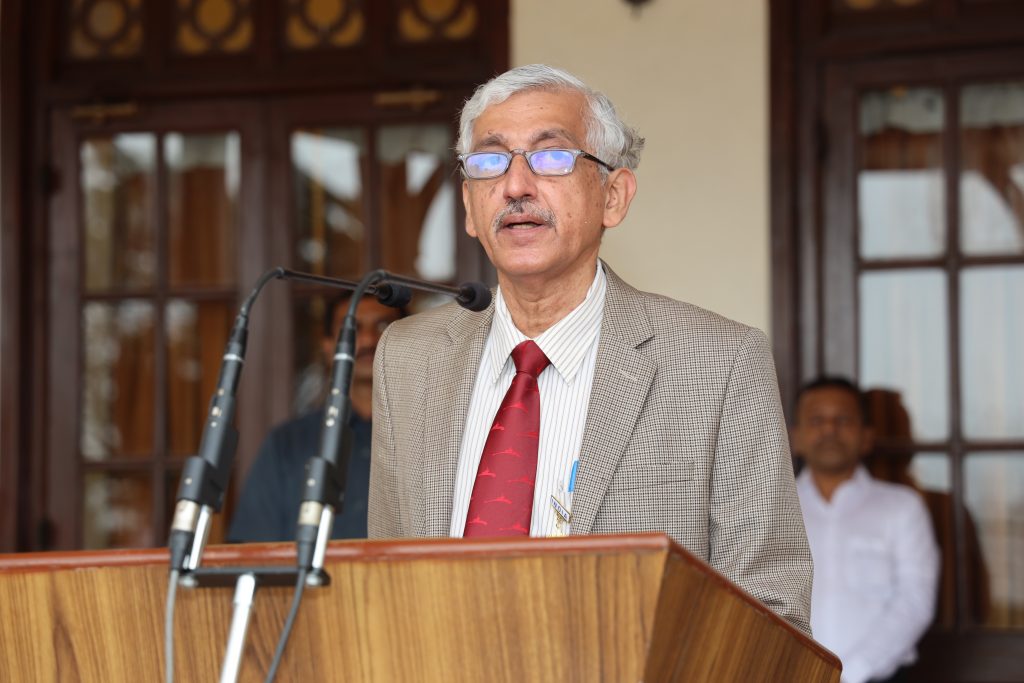
Chairman, AERB.

Professor S.P. Sukhatme, formerly the Director, Indian Institute of Technology (IIT), Bombay, and now the Chairman, Atomic Energy Regulatory Board (AERB), is a mechanical engineer of outstanding eminence. He had been a member of AERB since 1995 and was associated with several activities of the Board. 

An engineering graduate from the Banaras Hindu University, Prof. Sukhatme took his Masters and Doctoral degrees from the Massachusetts Institute of Technology (MIT), USA in 1961 and 1964 respectively. Before joining the Mechanical Engineering Department in IIT-Bombay in 1965, he worked as staff engineer in Dynatech Corporation, Cambridge, Massachusetts. 

Prof S.P. Sukhatme, Chairman AERB

He is well known for his outstanding contributions in teaching and research in the areas of Heat Transfer and Solar Energy. He has guided 19 students for their Ph.D. degree and published nearly 70 papers. 

Prof. Sukhatme is the President of the Indian Society of Heat and Mass Transfer; Member of Naval Research Board, Board of Research in Nuclear Science, Science and Engineering Research Council (DST); Convener of Programme Advisory Committee in Mechanical and Civil Engineering (DST); Member of R&D Advisory Committee, MNES; Governing Council, Indian National Science Academy. 

A recipient of the Prince of Wales Gold Medal from Banaras Hindu University (1958) and S.S. Bhatnagar Prize for Science and Technology (1983), Prof. Sukhatme is an elected fellow of the Maharashtra Academy of Science, Indian Academy of Science, the Indian National Science Academy, and a life member of the Indian Society for Heat & Mass Transfer, Indian Society for

Technical Education and Solar Energy Society of India

 
The Ninth National Symposium on Environment (NSE-9) is to be held on June 5-7, 2000 at Bangalore University, Jnana Bharathi, Bangalore-560 056. The symposium is

being organised by the Bangalore University under the auspices of Board of Research in Nuclear Sciences of DAE, which has been sponsoring the National Symposia on Environment every year since 1992. The symposium will focus on "Pollution in Urban Environment". The symposium will deal with a cross-section of topics dealing with monitoring urban pollution, source identification, profiles of various sources, mitigation strategies etc. It will also feature several invited talks by eminent environmentalists. Other relevant areas that will be dealt with are:

l Air and Noise Pollution

l Solid Waste Management

l Environmental Surveillance

l Environmental Impact Assessment

l Pollution Mitigation Strategies and Regulatory Aspects dealing with radioactive and non-radioactive contamination.

A separate session dealing with various instrumental methods of air pollution monitoring including nuclear and related techniques, is also planned.

For further information please contact:

Dr S. Sadasivan

Convener, Technical Programme Committee, NSE-9

Head, Environmental Assessment Division, BARC, Mumbai - 400 085

E-mail: sada@magnum. bare.ernet.in

Fax : 022-550 5151

- Ms Tessie George, L&ISD,BARC

 
PROF. VARMUS VISITS TATA MEMORIAL CENTRE

Prof. Harold E. Varmus, Nobel Laureate, President, Memorial Sloan Kcttning Cancer Centre and former Director, NIH, USA visitcd Tata Memorial Center on March 8, 2000 and delivered the Tata Memorial Hospital Day Oration.

Prof. Harold E. Varmus projected the direction in which the cancer research and diagostics would develop in the coming century. He referred to extensive data where mutations in the tumor suppressor genes in combination with many other genes result in development of malignancies. He hoped that in future, it will be possible to construct the profile of mutations for a given cancer type. Dr. Varmus was of the view that considering the very large number of mutations and the various sites at which they occur, the present day technology will not be adequate to study such multiple mutations. However, the technology of gene arrays or a DNA chip will enable us to screen thousands of mutations on a chip of the size of 1cm x lcm. These can help diagnose the disease early. In high risk cancer groups such as familial breast or colon cancer it will be possibile to identify those who are at higher risk and develop strategies for their prevention. Dr. Varmus predicted that information will be available on several such genes which may be responsible for a susceptibility to certain types of cancers. Developing awareness and educating the population at risk due to the susceptibility genes will help prevention of these cancers and increase the general awarencss. Dr. Varmus referred to the Human Genome Project which will achieve sequencing of the entire human genome by the year 2003. He said that this will now initiate the beginning of studies on the types of proteins made by the very large number of genes. It will result in understanding the structure and function of the gene products associated with various diseases. Understanding their structures may ultimately result in developing compounds which can help treat such diseases.

In her opening remarks Dr Dinshaw, Director, Tata Memaial Centre said that at the start of the millenium and into our 59th year, we greatly value the relationship between the Tata Memorial Hospital and the Memorial Sloan Kettering Cancer Centre which goes back right to the commissioning of our Hospital in 1941. It is most opportune that Prof. Varmus is with us at a time when we are in the midst of a major expansion and upgadation programme in TMH. We are also in the process of completing a major research and teaching facility namely the Advanced Centre for Treatment, Research and Education in Cancer at Navi Mumbai.This Centre is committed to bridge the gap between the clinics and the laboratory, multidisciplinary and geographic boundaries, while promoting the best clinical practices on evidence based and translational research.

Earlier, Dr. A.N. Bhisey, Director, Cancer Research Institute had introduced Prof. Varmus to the audience. 

- PRO, TMC

 
Awareness Programmes on Intellectual Property Rights 

D A E Patent Cell in alliance with Technology Information, Forecasting & Assessment Council (TIFAC), Department of Science & Technology, New Delhi, has been organising several awareness programmes on Intellectual Property Rights (IPR) issues at various Units of DAE for the science and technology community. One such programme was conducted on 7 January 2000 at the Nuclear Fuel Complex (NFC), with participation from all the D A E Units at Hyderabad. Dr. Ron, Chairman-cum-Managing Director, Electronics Corporation of India Ltd. (ECIL) inaugurated the function. Dr. C. Ganguly, Chief Executive, NFC delivered the keynote address.

Later, a workshop on "Patent Specification" was conducted at the National Institute of Advanced Studies (NIAS), Bangalore by the same team on 7 February 2000. This was in line with the earlier workshop conducted for Mumbai based Units. This workshop focused on various fields such as Computers, Drugs, Chemicals, Materials, Mechanical & Electrical Engg. and Electronics besides taking an over view on Drafting Claims, Patenting systems with special focus on patent search methodologies.