


Annual Report 2000 - 2001

Go to Contents Page
Executive Summary

During the year 2000-01, the Department of Atomic Energy (DAE) recorded over all growth, achieved major successes, and took new initiatives in practically all the segments of the Nuclear Energy Programme.

Four nuclear power reactors of 220 MWe capacity each commenced commercial operation; total electric power generation by all the nuclear power reactors was over 15350 million units, and their safety performance continued to be excellent. NPCIL successfully reduced the duration between criticality of the reactor to connection-to-grid to 14 days.

The carbide fuel for Fast Breeder Test Reactor (FBTR) reached a burnup of about 72,000 MWd/t and about 6 lakh units of electrical energy was generated by the reactor.

Advanced Heavy Water Reactor (AHWR) designed by BARC, moved to the technology development phase.

Cumulative production of heavy water far exceeded the target and 16 MT of heavy water was exported. NFC crossed a milestone of manufacturing 2 lakh natural uranium oxide fuel bundles for PHWRs.

Indigenously developed synchrotron radiation source Indus-1 at Indore was in regular operation and Folded Tandem Ion Accelerator (FOTIA) was successfully commissioned at Trombay.

A high power transverse flow continuous wave carbon dioxide laser was developed by CAT for material processing applications.

BRIT supplied more than 50,000 consignments of radioisotope products valued at Rs.15.25 crore for use in health care, industry, research, and agriculture. ISOMED plant at Trombay sterilized about 13,000 cu.mtr. of medical products and Spice Plant at Vashi, Navi Mumbai processed about 350 tonnes of spices.

Blackgram (Urid) and Soyabean varieties were released to farmers.

ANUPAM Supercomputer of BARC operated successfully.

A 40 cubic metre/day desalination plant for producing drinking water, was installed at Trombay.

A total of 10 technologies were transferred by BARC.

India signed agreements/ MoUs with Thailand, IAEA, Vietnam, Sri Lanka and Russian Federation.

Following is the panorama of the activities of DAE during the period :

Nuclear Power Programme

Power Generation & Projects

During the year 2000, four units of 220 MWe each (Kaiga-l&2 and RAPP-3&4) commenced commercial operation, adding 880 megawatts to the installed nuclear power generating capacity. Now India has in operation 12 pressurised heavy water reactors and 2 boiling water reactors with a total of 2720 megawatt capacity.

NPCIL successfully reduced the duration between criticality to connection-to-grid drastically. The record of 16 days between attaining criticality to connection-to-grid, set by Unit-1 of Kaiga Atomic Power Station, was bettered by the Unit-4 of Rajasthan Atomic Power Station which came on-line in 14 days after criticality.

The cumulative power generation by NPCIL was over 161 billion units of electricity till January 31, 2001. During 2000, the total electric power generation by the reactor units reached a record high of over 15350 million units, marking an increase of about 23% over the previous year’s performance. In fact, the nuclear power sector has been performing at an average annual growth rate of 22% since 1994.

The capacity factor, which was 75% in 1998-99, rose to 82% during April-December 2000 period.

NPCIL is expected to generate a net profit of about Rs.313 crore for the year 2000-01 as compared to the net profit of Rs. 85 crore for the previous year. For the financial year 1999-2000, NPCIL has paid Rs. 61.48 crore as dividend to the Government.

NPCIL is setting up two 500 MWe pressurised heavy water reactors at Tarapur, Maharashtra. 20% of the project was completed during the period of report. Preparation of the Detailed Project Report (DPR) for the two advanced light water reactors at Kudankulam (Tamil Nadu), reached final stages of completion.

Pre-project activities of Kaiga-3&4 Project (2x220 MWe) were taken up.

Fast Breeder Programme

FBTR, a test bed for irradiation of fuel and structural materials of future breeder reactors, was in continuous operation for 52 days with the turbo-generator synchronised to the grid. It generated about 6 lakh units of electricity. The carbide fuel subassembly of Mark-I composition behaved excellently in FBTR and its burnup reached about 72,000 MWd/t. Production of the fuel of Mark-II composition progressed at Trombay.

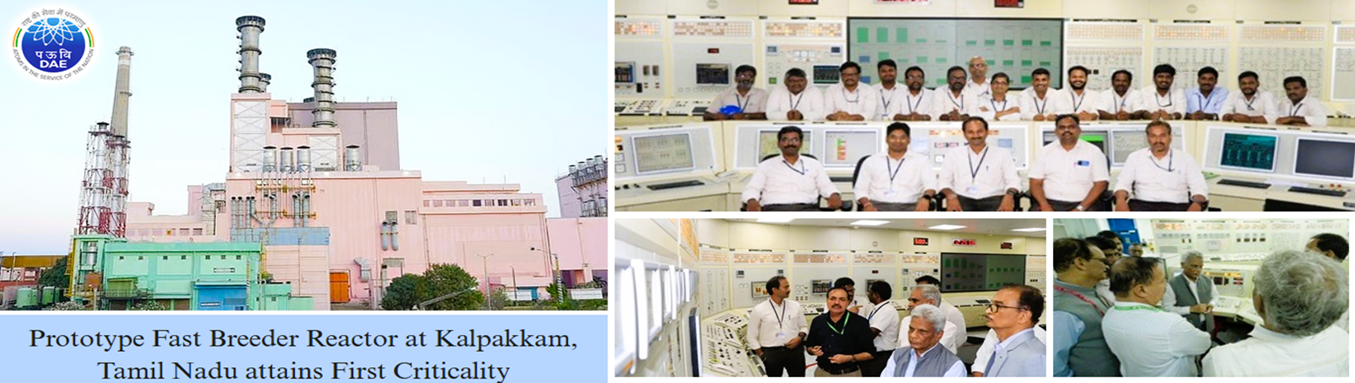
The pre-project activities for setting up the 500 MWe Prototype Fast Breeder Reactor (PFBR) proceeded as per schedule. AERB’s clearance for the PFBR site was received. Some major components were received at site.

The engineering developments relating to PFBR included design studies on the inner vessel of PFBR; commissioning of a new sodium loop for sodium technology, and setting up of boron enrichment facility. The Steam Generator Test Facility made good progress.

Towards Thorium Utilisation

KAMINI, the research facility at Kalpakkam, which uses uranium-233 (extracted from irradiated thorium) fuel, is a pioneering endeavour towards thorium utilisation. During the period of report, the reactor was operated upto 30kW and used for irradiation of specimens for experimental/forensic purposes.

Designed by BARC, the Advanced Heavy Water Reactor (AHWR), which will use fuel based on plutonium and thorium, moved to the technology development stage.

Design work for setting-up a new critical facility for carrying out reactor physics experiments for AHWR and 500 MWe PHWRs, was completed at Trombay.

Nuclear Fuel Cycle

The Nuclear Fuel Cycle supporting the nuclear power programme covers exploration, mining, fuel fabrication, heavy water production, fuel reprocessing and waste management. Following were the activities of DAE in this programme sector :

Mineral Exploration

Exploration and research relating to atomic minerals needed for the Nuclear Power Programme of the country are carried out by the Atomic Minerals Directorate for Exploration and Research (AMD).

AMD established continuity of ore grade mineralisation at Gogi, Gulbarga district, Karnataka and Rohil-Ghateshwar, Sikar district, Rajasthan. Widespread uranium mineralisation associated with Gulcheru quartzite was located along Gandi - Kannampalle tract, Cuddapah district, Andhra Pradesh.

Additional uranium resources at Wahkyn, West Khasi Hills district, Meghalaya and Koppunuru area, Guntur district, Andhra Pradesh, and additional reserves of xenotime bearing polymineralic concentrate and columbite-tantalite in parts of Bihar, Orissa & Gujarat were estimated.

The Directorate carried out airborne Gamma Ray Spectrometric (AGRS) and Aero-Magnetic (AM) surveys over 19,000 line km in parts of Madhya Pradesh and Orissa.

Mining

Uranium and thorium are the resource minerals for the Nuclear Power Programme. The Public Sector Undertakings of DAE, responsible for mining and processing of uranium ore and minerals sands (which contain thorium and rare earth elements), are the Uranium Corporation of India Ltd. (UCIL) and the Indian Rare Earths Ltd. respectively showed marked improvements in their performance during the year.

Heavy Water Production

The Heavy Water Board runs seven of the eight heavy water plants installed in the country to meet the heavy water requirements of the Indian reactors.

The performance and safety record of all the operating heavy water plants was very good. As a result of stable operation and continuous run of the plants, the cumulative production of heavy water achieved, far exceeded the target set for the period. In October, 2000, 16 MT of heavy water was exported to South Korea.

Modifications for sustaining operation of the Heavy Water Plant, Baroda and commissioning of the R & D Pilot Plant Facility at Talcher for production of Di-2-ethyl hexyl phosphoric acid (D2EHPA) were the major developments.

Board’s focus on energy conservation and manpower training aspects resulted in energy conservation, cost reduction, and high capacity utilisation in all the operating plants.

Nuclear Fuel Fabrication and Development

The Nuclear Fuel Complex (NFC) at Hyderabad meets the fuel and zircaloy requirements of all the nuclear power reactors in the country. In addition, NFC manufactures stainless steel tubes for industrial applications.

During the year 2000-01, NFC met its annual production targets. For natural uranium oxide PHWR fuel, hafnium free zirconium oxide and special materials (in particular tantalum penta-oxide powder), the production and sales far exceeded the targets. On September 9, 2000, NFC crossed a milestone of manufacturing 2 lakh natural uranium oxide fuel bundles for PHWRs. Components for PFBR such as Control & Safety Rod and Sheath subassembly, and D9 material for fuel pin components were successfully developed. New schemes namely, the 37 Element PHWR Fuel Project for TAPS-3&4 (PHWR 500 MWe), Replacement and Augmentation of Zirconium Sponge Plant and Advanced Materials Processing and Characterisation Facilities progressed satisfactorily. Also, NFC obtained ISO 9002 certification.

The fuels for the research reactors were fabricated at BARC which also continued its pursuit of the development of new fuels for advanced reactors.

Progressive introduction of MOX fuel in the atomic power reactors at Tarapur continued and performance of the fuel in the reactor was as per the design. Construction of a new shielded hot cell facility, revamping and augmentation of Fuel Fabrication Facility at Tarapur continued.

Development of PFBR fuel and plutonium based fuels and their characterization made further progress at Trombay and high-density thorium oxide fuel pellets for flux flattening of all the new PHWRs were fabricated.

At IGCAR, studies were conducted for the development of fast reactor fuels and cladding materials. Here, a laboratory scale facility was commissioned for the preparation of uranium oxide microspheres by sol-gel method.

Fuel Reprocessing & Waste Management

The Fuel Reprocessing Programme of BARC is focused on the recovery of fertile material from spent fuel after it is discharged from the research/power reactors, and safe management of the radioactive wastes from nuclear facilities.

Construction activities related to revamping of Tarapur Reprocessing Plant of BARC progressed.

At IGCAR, the Lead Mini Cell for reprocessing of the carbide fuel of FBTR on laboratory scale, was safety-reviewed by SARCOP ( Safety Review Committee for Operating Plants) of AERB. The facility will be commissioned shortly.

Most of the vessels and equipment for the Fast Reactor Fuel Reprocessing Plant (FRFRP) at Kalpakkam were ready for erection.

The Waste Management Facilities (WMF) for treatment and disposal of low and intermediate level waste streams, operated safely at Trombay, Tarapur, Rawatbhata and Kalpakkam. The radioactivity discharge was well below the authorized limits.

Waste Immobilization Plant at Trombay for treatment and immobilization of high level waste from the reprocessing plant at Trombay is getting ready for commissioning. The civil construction of Waste Immobilization Plant at Kalpakkam and the procurement and installation activity of process and other equipment made good progress. A suitable glass matrix for managing high level waste from thorium cycle, was successfully developed by BARC.

Efforts towards the indigenisation of equipment used in waste management led to the development of stainless steel (304L) plates and pipes for reprocessing and waste management applications, and the filter canisters for use by the nuclear power plant workers. Development of a process for separation of yttrium from high level waste was a spin off. Yttrium has wide applications in medical field.

Health, Safety & Environment

The safety performance of the nuclear power stations continued to be excellent. The radioactive releases to the environment and the occupational doses were kept much below the prescribed limits. Off-site emergency exercises were also carried out at various sites to ensure emergency preparedness.

NPCIL-Safety Review Committee (NPC-SRC) continued to conduct appropriate interdisciplinary reviews of all safety related events and safety submissions. Internal safety reviews and audits were conducted for assurance of health & safety aspects in the operating stations and in the projects under construction.

The epidemiological surveys conducted by the Tata Memorial Centre observed no increase in cancer prevalence in the radiation workers of NAPS and RAPS as compared with the non-radiation workers. Similar surveys conducted at MAPS and Kaiga, were under finalisation.

RAPS won the Industrial Safety Awards of AERB and NPCIL, RAPP 3&4 won the AERB Fire Safety award, and TAPP 3&4 won the award for construction sites.

BARC continued to work on the development of safety related technologies for PHWRs. These included catalytic recombiners, vibration diagnostic techniques, and garter spring repositioning system.

Environment surveillance and monitoring at all the nuclear facilities is a continuing programme. Radiological Safety Programme was strengthened with the procurement of equipment for a mobile laboratory, aerial gamma monitoring, Environment Survey Laboratories and Site Emergency Control Centre.

Health Physics Units of BARC at the nuclear power plants, fuel reprocessing plants, and waste management facilities continued their safety related functions. The civil work of the Radiological Protection Training and Information Centre, being set up by BARC, was completed.

The safety related studies at IGCAR focused on the safety features of PFBR. Under the Core Disruptive Accident (CDA) scenario the primary containment of PFBR and major internals were analysed for structural integrity, and sodium fire consequences for the reactor containment building of PFBR were estimated; Structural integrity assessment of primary sodium pipe was demonstrated, and Safety analysis and shielding codes & data were validated. Probabilistic Safety Analysis of Shutdown System and Decay Heat Removal System of PFBR continued. For structural response studies under cyclonic wind conditions, three meteorological towers were installed Kalpakkam

Environment

BARC continued with its environment and meteorological survey programme around nuclear power plant sites. The levels of the radioactivity around the sites were found to be insignificant. As a part of the preoperational survey, samples from Kudankulam sites were analysed.

Under the Personnel Monitoring Programme, whole body counting of around 2500 personnel for internal contamination was carried out by BARC.

The Environmental Survey Laboratory (ESL) at Trombay participated in the intercomparison studies conducted by IAEA and International Reference Centre of WHO. The ESL-Kaiga was recognized by the Mangalore University as a centre for pursuing research in radiation physics and environment chemistry.

On-line weekly environmental monitoring of the Kalpakkam site found the radiation field well within limits.

TAPS & KAPS obtained Environmental Management System Certification under ISO 14001.

Heavy Water Plant at Thal, Maharashtra, won the "AERB Green Site Award".

Non-Power Programme

Research Reactors

At Trombay, the research reactors Dhruva and Apsara continued to operate satisfactorily and were utilised for basic and applied research, radioisotope production, testing of materials, and manpower training. Refurbishing work for extending the useful life of research reactor Cirus reached completion.

Radiation & Radioisotope Technologies

Radiation from radioisotopes or accelerators finds applications in the fields of industry, health care, agriculture, food preservation, and research. The DAE research centres contributing to this programme segment are BARC, VECC, CAT and BRIT.

Research reactors at Trombay produce a variety of radioisotopes and meet a major part of their demand in the country. In addition, power reactors have been equipped to produce cobalt-60, which is the source material used in radiography and other equipment. VECC at Kolkata is a major producer of accelerator-generated radioisotopes. Work on the development of industrial accelerators is being pursued at the Centre for Advanced Technologies (CAT), Indore and BARC.

BRIT is the commercial organization engaged in the manufacture and marketing of radiation and radioisotope technology based products.

Radiation Technologies for Industry

Radiation polymerization, hydrology related technologies, silt-movement, soil-salinity, and leak detection by using radiotracers, are some of the technologies developed at BARC which have been benefiting industry and other vital sectors.

BARC conducted studies with cobalt-60 to track the 350 km pipe line of petroleum from Vishakhapatnam to Vijaywada, and detect the leakage points in natural gas pipeline of the Gas Authority of India. Radiotracer investigations of bed load movement near sagar dumping buoy Kolkata, and submarine out fall system, Mumbai, were done.

Gamma Scanning of Distillation and Degasser columns was carried out by BARC for two companies at Mumbai and Baroda. For assisting dredging operations in ports, a nucleonic suspended sediment concentration Gauge based on the backscattering of gamma radiation was developed at Trombay.

Over 700 consignments of iridium-192, totaling about 915 TBq ( 24,740 curies ), were supplied by BRIT in the form of sealed sources, for radiography examination of industrial components used in various industries/projects.

The radiation technology equipment supplied included 20 remotely operated radiography cameras (ROLI-1) to industrial users and 10 units of Blood Irradiator ( BI 2000 ) to blood banks.

Radiation Sterilization

To provide radiation sterilization service to the medical industry, BRIT operates the ISOMED plant at Trombay. The plant sterilized about 13,000 cu.mtr. of medical products. Sterilization of DAI kits and delivery packs for the rural women, and ayurvedic products for export were the notable services of ISOMED. The Plant also obtained ISO 9002 accreditation in July 2000.

Nuclear Medicine

BARC supplied 1200 curies of reactor medical radioisotopes, and standardized production and processing the therapeutic radionuclides.

The radionuclides developed during the current year, included holium-166 labelled hydroxyapatite particles for treating arthritis. BARC has also successfully developed radiation processed hydrogels. The technology of hydrogels is ready for transfer.

Skin patches for treatment of superficial cancers, Lu-EDTMP preparation for palliation of pain due to bone metastasis, phosphorus-32 incorporated stents for prevention of arterial restenosis in patients treated by angioplasty, and a number of radiolabelled preparations were other innovative products produced at Trombay.

The Radiation Medicine Centre (RMC) of BARC in Mumbai, continued to offer radiodiagnostic and treatment services.

BRIT has been producing and supplying radiopharmaceuticals and nuclear medicine products such as brachytherapy wires, radioimmunoassay (RIA) kits and others. It supplied more than 50,000 consignments of radioisotope products valued at Rs.15.25 crore for use in health care, industry, research, and agriculture. The supplies included :

- Over 120 consignments of iridium-192 in the form of wire for brachytherapy;

- 7000 consignments of iodine-131 radiopharmaceutical products in the form of oral solutions, capsules and injections;

- 780 curies of molybdenum-99 in 54 batches to nuclear medicine centres for diagnostic use;

- Nearly 10,500 cold kits for preparation of technetium-99m formulations to various nuclear medicine, centres, and

- More than 1,900 ready-to-use technetium-99m formulations for use in hospitals.

Over 11,000 RIA investigations were carried out by the BRIT’s centres at Dibrugarh and Bangalore.

Nearly 11,300 kits of radioimmunoassay ( RIA & IRMA ) kits were supplied to 650 immunoassay laboratories in the country.

Nuclear Agriculture & Biosciences

At BARC, the application of radiation to agriculture has so far resulted in the release of 22 improved varieties of seeds.

During the year, yellow mosaic virus resistant blackgram (Urid) variety (TU94-2) in southern zone and a soyabean variety TAMS-38 were released to farmers in Maharashtra. A highly cost effective mutant of green manure plant sesbania rostrata (TSR-1) was also generated.


Radiation Processing of Food Items

Spice Plant, the radiation processing facility for spice exporters, set up by BRIT at Vashi, Navi Mumbai, processed about 350 tonnes of spices such as dried onion powder, chilli powder, black pepper, nutmug, turmeric, ranpatri powder.

Poton irradiator at Lasalgaon, near Nashik (Maharashtra), being set up by BARC to process potatoes and onions, made progress.

Other notable developments were :Recombinant DNA technology related to the development of transgenic potato, banana for production of bioactive compounds, standardization of multiplication of pine apple. Various biosorbents were also developed for the remediation of heavy metals and uranium.

High Technology

In addition to achieving self-reliance in the Nuclear Power Programme, and the Research Reactor Programme - which produces a hundred varieties of isotopes for extensive use in medicine, industry and agriculture, DAE has taken confident strides in the areas of high technologies. Indigenous expertise has been developed in hi-technologies such as accelerators, lasers, computers, robots, automation and others. BARC, IGCAR, CAT and VECC are the research & development nodes in these areas.

Accelerator

At VECC, the Superconducting Cyclotron project made significant progress. The substructure work for the cyclotron building was completed and construction of the superstructure progressed. The superconducting coil-winding setup was installed and testing was done. Liquid helium plant was commissioned.

From the Variable Energy Cyclotron, energetic heavy ion beams were available for experiments.

Radioactive Ion Beam (RIB) project of VECC made significant progress. ECR to RFQ beam line design was finalized and mechanical engineering design of the thick-target-surface-ioniser was undertaken.

CAT is engaged in developing synchrotron radiation sources Indus-1 and Indus-2, and accelerators for basic research, industrial and medical applications.

The Centre had earlier commissioned Indus-1 and installed two beam lines which were made available to researchers. Design of superconducting wiggler for Indus-1 was also completed. Construction of Indus-2 progressed as per schedule and the design of first beamline of Indus-2 was undertaken.

BARC continued with the testing of 500 keV accelerator, upgradation of KALI-5000 system, and setting up of an Electron Beam (EB) Centre at Kharghar, Navi Mumbai in collaboration with SAMEER. The EB Centre will be a commercial facility of electron beam irradiation.

Commissioning of the Folded Tandem Ion Accelerator (FOTIA) was successfully executed at BARC.

Heavy ion beams from the Pelletron Accelerator at TIFR were used in a variety of experiments in the nuclear and condensed matter physics.

Laser Programme

CAT is involved in developing lasers for basic research, industrial and medical applications. The Centre has established a Prototype Unit for the manufacture and supply in limited numbers, of lasers and high-tech equipment developed here.

Subsystems of 20kW carbon dioxide laser were fabricated and their integration commenced at CAT. Assembly of the Nd:YAG laser continued. The development of terra-watt laser progressed as per schedule and development of regeneration amplifier and pulse selector system is nearing completion.

High quality large size crystals of KDP were grown by optimizing growth parameters.

At BARC, developmental work on EB welder, EB Evaporator, Plasma melter, Plasma RF reactor, Plasma microwave system, Laser RF CO2, Laser scan probe, Tunable femto- second dye Laser reached various stages of progress.

Supercomputer

ANUPAM Supercomputer developed by BARC was being continuously upgraded. It provided a successful alternative to Cray-X-MP super computer at the National Centre for Medium Range Weather Forecasting, Delhi.

Robotics

For handling of radioactive components, IGCAR developed a remote controlled modular Power Manipulator (payload:25kg) with seven degrees of freedom; a wheel based mobile scanner (MOBSCAN) to automate the inspection of large plates, and a pneumatically operated, Wall Climbing Robot (payload:5kg), for the inspection of large vertical surfaces in the hazardous environment.

Electronics, Instrumentation and Computers

BARC contributed significantly towards the development of several control and instrumentation systems for the nuclear power plants. The systems developed included programmable digital comparator system, dual processor hot standby process control system, channel temperature monitoring system, on-power fuelling control system, supervisory control and data acquisition system (SCADA) and many others.

Desalination of Water

The 6300 cubic metre/day Nuclear Desalination Demonstration Plant at Kalpakkam for demonstrating safe and economic production of potable water from sea water, made considerable progress.

A 40 cubic metre/day Reverse Osmosis plant, for producing potable water, was installed at Trombay.

For production of demineralised water from sea water, the 30cu.mtr/day Desalination Plant , being set up at Trombay, gave satisfactory performance.

National Security

BARC continued implementation of necessary research and development as well as manufacturing activities to meet the national policy of credible minimum nuclear deterrence.

Basic & Applied Research

The TACTIC array at Mt. Abu, being built by BARC, will soon be ready for use. The design and development of MACE, BEST, MYSTIQUE telescope facilities have progressed.

Seismic monitoring and data processing facilities located at Mumbai, Gauribidanur and Delhi continued to function satisfactorily and upgradation of the facilities for improved sensitivity is progressing well.

Work on setting up the national facility for Superconductivity and Cryogenics at Trombay continued.

Facilities were established for carrying out bench and pilot scale studies on bene- ficiation of strategic and industrial minerals, expertise and facilities for carrying out petro-mineralogical and liberation studies of ores and their chemical analysis.

Methods were developed for the recovery of a rare element Protactinium from thorium concentrate and monazite. This element has an important role in thorium utilization.

Stable and continuous operation of a Pilot Plant for the manufacture of Sulphur Hexa Fluoride (SF6), was achieved at BARC.

At IGCAR, the mechanical properties of indigenously developed modified 9Cr-1Mo forging were characterised to assess its suitability for PFBR applications.

Public Sector Undertakings

Uranium Corporation of India (UCIL)

Overall performance of the company during the year 1999-2000 showed marked improvement. The income and net profit of the company rose to Rs. 146.38 crore and Rs. 11.51 crore respectively from the previous year’s income of Rs. 134.18 crore and net profit of Rs. 3.7 crore.

To win the ore from deeper levels, the work of Ill-Stage Shaft Sinking was taken up. The work of shaft sinking was completed and orders for the winders were placed.

The opening of new mine at Narwapahar and expansion of existing mill at Jaduguda were completed.

Indian Rare Earths Ltd. (IREL)

During the period 1999-2000, the total sales turnover of IREL reached a figure of Rs. 215 crore - an improvement of 21% over the previous year. Foreign exchange earned through export sales reached an all time high figure of Rs. 78.25 crore. Profit before tax was Rs. 23.47 crore – 150% increase over that of last year.

The ilmenite production reached an all time high figure of Rs. 3.77 lakh tons.

The Manavalakurichi Unit became the third unit of IREL to obtain ISO-9002 certification.

A Joint Venture Agreement was signed by IREL with AUSTPAC Resource NL to set up a demonstration plant at OSCOM for the production of 10,000 tpa of high grade Synthetic Rutile, using a new technology.

Electronics Corporation of India (ECIL)

During the financial year 1999-2000, production of Rs.419 crore and sale of Rs.405 crore against the target of Rs.440 crore were achieved.

Against the annual target of Rs.485 crore each for production and sales, production of Rs.302 crore and sale of Rs.324 crore were achieved upto January 2001.

Orders worth Rs.290 crore were booked during the period April 2000-January 2001.

New products with applications in strategic areas were introduced.

Special Products Division of ECIL obtained ISO-9002 certification.

During the period till January 2001, exports made were : Singapore (105 lakh) and Russia (44 lakh). An export order worth Rs.87 lakh was received from Russia.

Promotion of Research & Development

University Interaction

DAE, through the Board of Research in Nuclear Sciences (BRNS) and the National Board for Higher Mathematics (NBHM) promotes research and other activities in nuclear sciences and mathematics respectively, at universities and other academics institutions. NBHM also participates in the International Mathematical Olympiad.

Financial assistance was given by BRNS to 54 new projects and 134 ongoing projects were renewed. The Board also sponsored 174 conferences/ symposia.

An MoU was signed by BRNS with Pune University which envisages setting up a 7 MeV LINAC facility for the studies in natural sciences.  Another MoU was signed with the Rajasthan Agricultural University, Bikaner, for establishing a Radiotracer Laboratory and Multi-locational Testing and Seed Production of Crop Varieties developed at Trombay.

Under the BRNS Visiting Scientist Scheme, two scientists visited BARC and seven post-doctoral fellows joined various R&D units of DAE under the Dr. K.S. Krishnan Research Associateship Scheme.

NBHM provided financial support of Rs.3.5 crore to about 80 universities/institutions. Ten new fellowships were provided at the doctoral/post-doctoral levels. The Board also initiated schemes for making mathematical literature accessible through electronic communication.

Aided Institutes

For the financial year 2000-01, the grant-in-aid provided by DAE to seven national institutions were : Tata Institute of Fundamental Research (Rs.86 crore), Tata Memorial Centre(Rs.62.7 crore), Saha Institute of Nuclear Physics (Rs.29.30 crore), Institute of Physics (Rs.8.54 crore), Institute of Mathematical Sciences (Rs.8.25 crore), Harish-Chandra Research Institute (Rs.8 crore), and Institute for Plasma Research (Rs.56.5 crore).

The development programmes undertaken by TIFR for the Giant Metre-wave Radio Telescope (GMRT) progressed. A 2.5-3 metre Optical Telescope in Devasthal, Nainital, as collaborative project between TIFR and UP State Observatory, was under construction.

High power lasers were used at TIFR to study the highly excited imploded atomic matter. Laser techniques were used to fabricate high quality superconductivity thin films.

A high current isotope separator followed by a 200 kV ion implanter, was set up at Kolkata as a national facility, by the Saha Institute of Nuclear Physics (SINP).

The designing and building work on the Steady-State Tokamak for thermonuclear fusion research at the Institute for Plasma Research continued.

The Tata Memorial Centre (TMC), an aided institution of DAE, registered over 21,000 new cases involving diagnosis and treatment of cancers. For providing better service to the patients, TMC introduced modern facilities which included a new minor operation theatre, cobalt therapy machine, and tele-pathology facility.

The work on the Advanced Centre for Training, Research & Education in Cancer (ACTREC) project, being set up by TMC at Owe village, Navi Mumbai, progressed.

DAE signed a tripartite agreement with the Northeast Council and the Government of Assam for revitalisation of Dr. B. Barooah Cancer Institute, Guwahati. With the objective of improving cancer control measures in the country, the Department provided financial assistance to cancer hospitals.

DAE also approved a collaborative project with M. S. Swaminathan Research Foundation.

International Research Collaboration

BARC manufactured Detector Frames (Station I&II) for the Los Alamos National Laboratory (USA) and ENSTAR Assembly for COSY Labs, Germany.

A mathematical code RADTRAN meant for VVER-440 was developed to determine the distribution of radioactivity around the coolant circuit. It is a collaborative work with Veiki Institute Budapest, Hungary.

DAE has an international collaboration with CERN at Geneva, Switzerland, in the Large Hadron Collider (LHC) Project. Under the collaboration, production of super-MCS (superconducting sextupole corrector magnet) and MCD (superconducting decapole corrector magnet) was started at CAT and pre-series magnets were supplied to CERN.

At VECC, the Technical Design Report of the Indian team for the development of Photon Multiplicity Detector (PMD) for the ALICE experiment at LHC at CERN, was approved by the LHC Experiments Committee at CERN.

TIFR participated in the large international collaborations at CERN and Fermilab.

Technology Transfer & Collaborative Programmes

During the period of report, a total of 10 technologies were transferred by BARC. Products such as ANUPAM software, Al-Be master alloy, Glass-to-Metal seals and 16-node ANUPAM-P-III system were supplied within the country and certain R&D items were exported to Indonesia and Vietnam.

Service to Industry

The Centre for Compositional Characterisation of Materials (CCCM) at Hyderabad offered analytical services to industry and research laboratories and continued with its in-house R&D programme. The Centre also carried out certain analyses for the Semiconductor Complex Ltd., Hyderabad.

International Relations

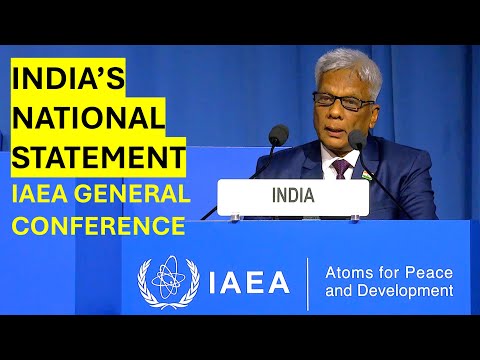
India, which is a designated member of the Board of Governors (BoG) of the International Atomic Energy Agency (IAEA), continued to offer training facilities, fellowships, scientific visits etc. and made available the services of its scientists for expert assignments.

About 448 scientists/engineers/administrators participated in international symposia, workshops, conferences and meetings.

The Chairman, Atomic Energy Commission (AEC) led the Indian delegation to the 44th Regular Session of the IAEA General Conference held in Vienna, Austria during September 18 to 22, 2000.

During the period of report, India signed agreements/ MoUs with Thailand, IAEA, Vietnam, Sri Lanka and Russian Federation.

OTHER ACTIVITIES

Human Resource Development

From the Training School of BARC, 132 Trainees from the 43rd Orientation Course for Engineers and Scientists (OCES43) and 16 Trainees from the IX Orientation Course for Engineering Postgraduates (OCES44), graduated and were absorbed in different units of DAE. Under the Indo-Vietnam Bilateral Collaboration, four scientists/engineers from Vietnam completed the OCES43 course and four joined the OCES44. Four trainees each in the first and second batches selected under the DAE-IIT (Kanpur) M.Tech. Scheme, continued with their M.Tech. in Nuclear Engineering and Technology at IIT, Kanpur.

In recognition of its outstanding performance in the area of training of manpower at all levels, the Heavy Water Board was awarded the Golden Peacock National Training Award 1999 by the Institute of Directors, New Delhi.

Employees Welfare

The industrial relations in the Department continued to be smooth and cordial.

Under the Employees’ Welfare Programme of DAE health care services were provided to the employees and their families. The Contributory Health Services Scheme has been in operation at 11 places and it is proposed to extend the service to Hyderabad and Mysore. During the year, certain provisions in the Scheme were modified to make it more liberal.

Public Awareness

DAE and its organisations continued their endeavour towards disseminating information on peaceful applications of atomic energy and India’s progress in this field. Media, educational domain and public at large were the impact domains of these efforts which included information literature, exhibitions, multimedia presentations, seminars and symposia, quiz /essay competitions, and others. Major DAE organisations have been maintaining web-sites with a view to make information readily available to public.

Awards

This year seven eminent scientists/academicians from DAE organisation were honoured with the prestigious national civil award "Padmashree". The Chairman, NBHM was nominated as the Fellow of the Royal Society, London.

Dr. P K Bose Memorial Award and Rev Fr. Yedanapalli Memorial Award by the Indian Chemical Society, and A K Bose Memorial Award by the Indian National Science Academy were conferred on BARC scientists.